
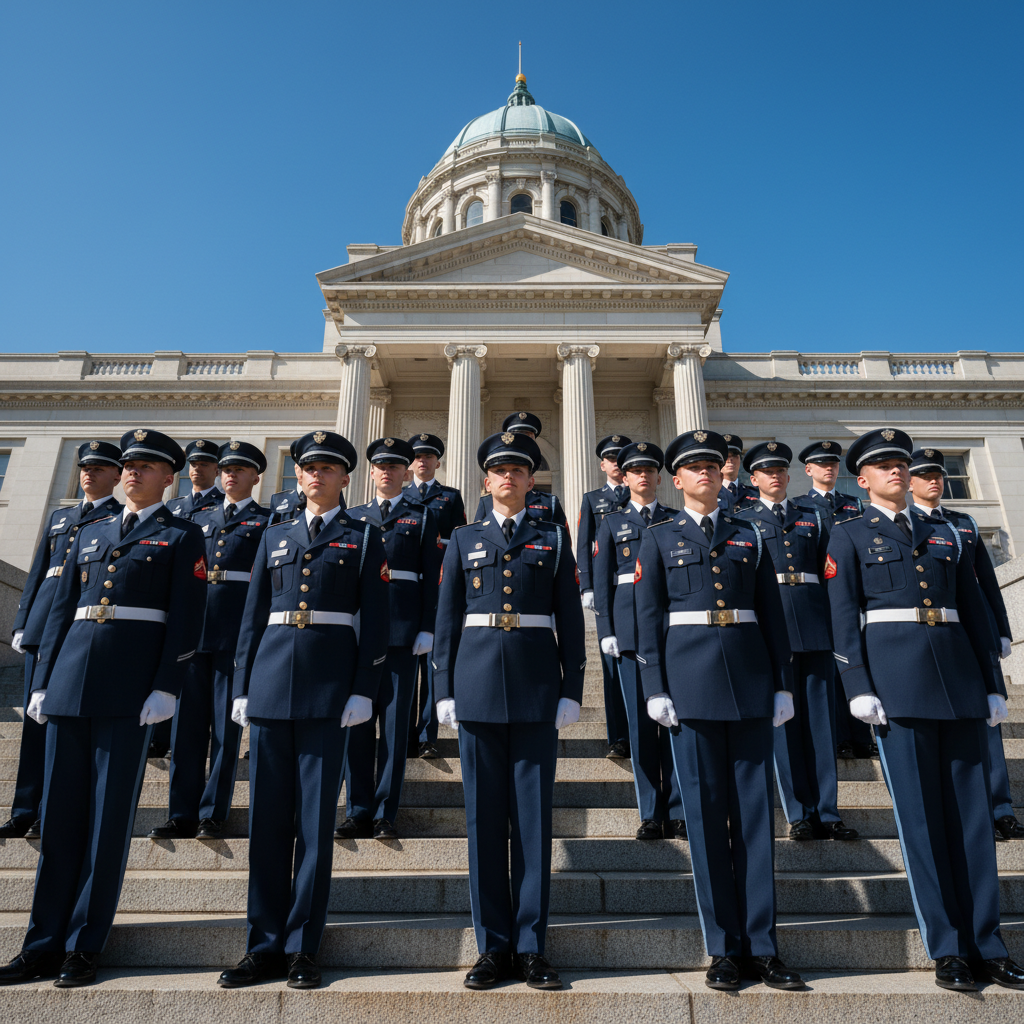
They showed up.
Then they stood up.
In the summer of 2018, twelve teenagers from the Riverside district showed up to help sandbag a neighbor's basement — no one asked them to. That morning became a program. This program became a movement.
400+
Cadets Graduated
14
Neighborhoods Served
92%
Complete the 90 Days
6
Program Pillars
The Program
Six pillars.
One spine.
Every component earns its place. Nothing is filler. Nothing is optional.
Service
Cadets log real hours in their own zip codes — not charity tourism. Sandbagging, traffic direction, event setup. Work you can point to on the walk home.
Leadership
By month three, every cadet commands a squad. No titles handed out — earned through showing up consistently.
Fitness
Twice-weekly PT that builds endurance and mutual accountability. You don't finish alone.
Civic Knowledge
How your city council works. How a budget gets passed. How to give public comment at a zoning meeting. Practical civics, not textbook civics.
Teamwork
Mixed-age squads, rotating leadership. The seventeen-year-old who struggled at fourteen teaches the fourteen-year-old who just arrived.
Public Speaking
Monthly address to a live community audience. Not a class presentation — real neighbors, real stakes.
"The program doesn't build soldiers. It builds neighbors who know what it means to show up."
— Program Founder, 2018
Enroll Your CadetThe First 90 Days
How a cadet
becomes one.
Week 1–2
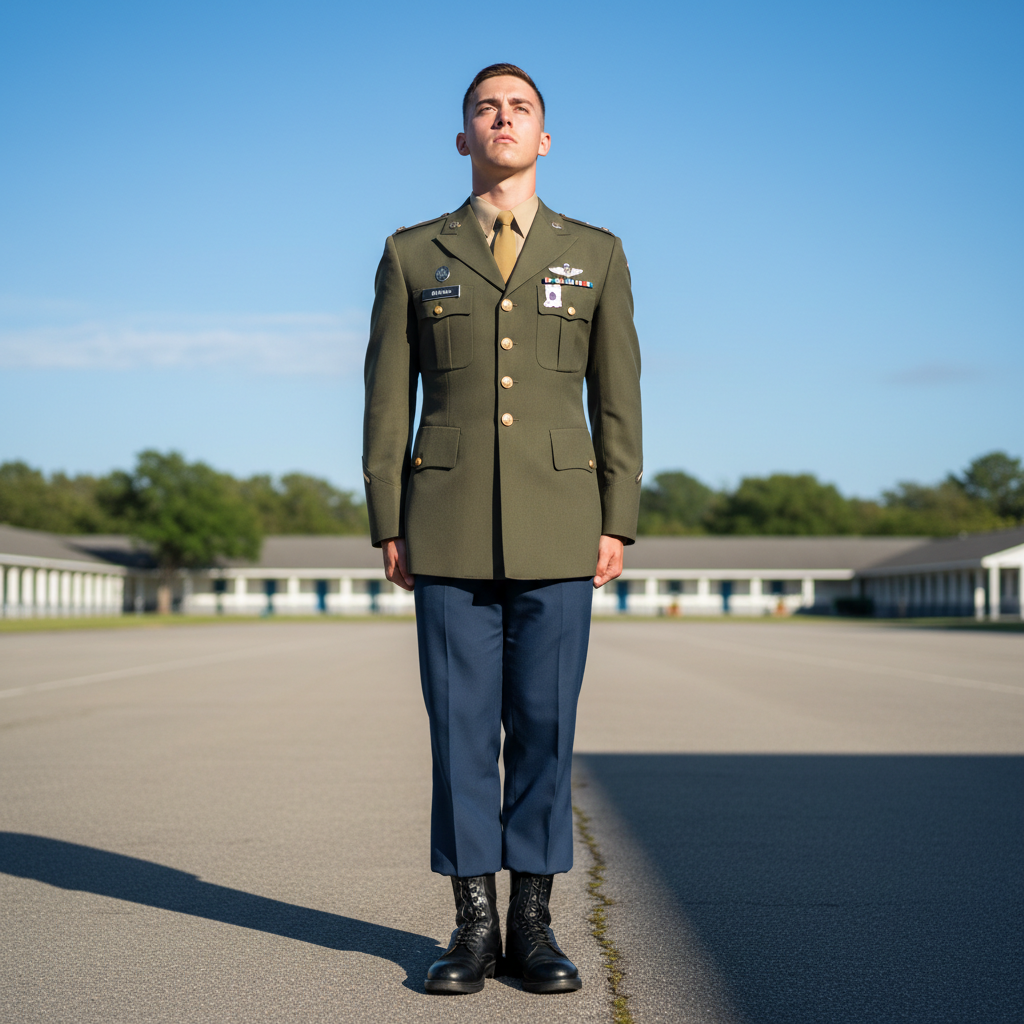
Orientation & Uniform Issue
First formation. First uniform fitting. The moment a cadet puts on the beret for the first time and looks in the mirror.
Cadets receive their dress uniform, learn basic formation protocol, and meet their squad. No one is tested. Everyone is welcomed. The bar is showing up.
Month 1
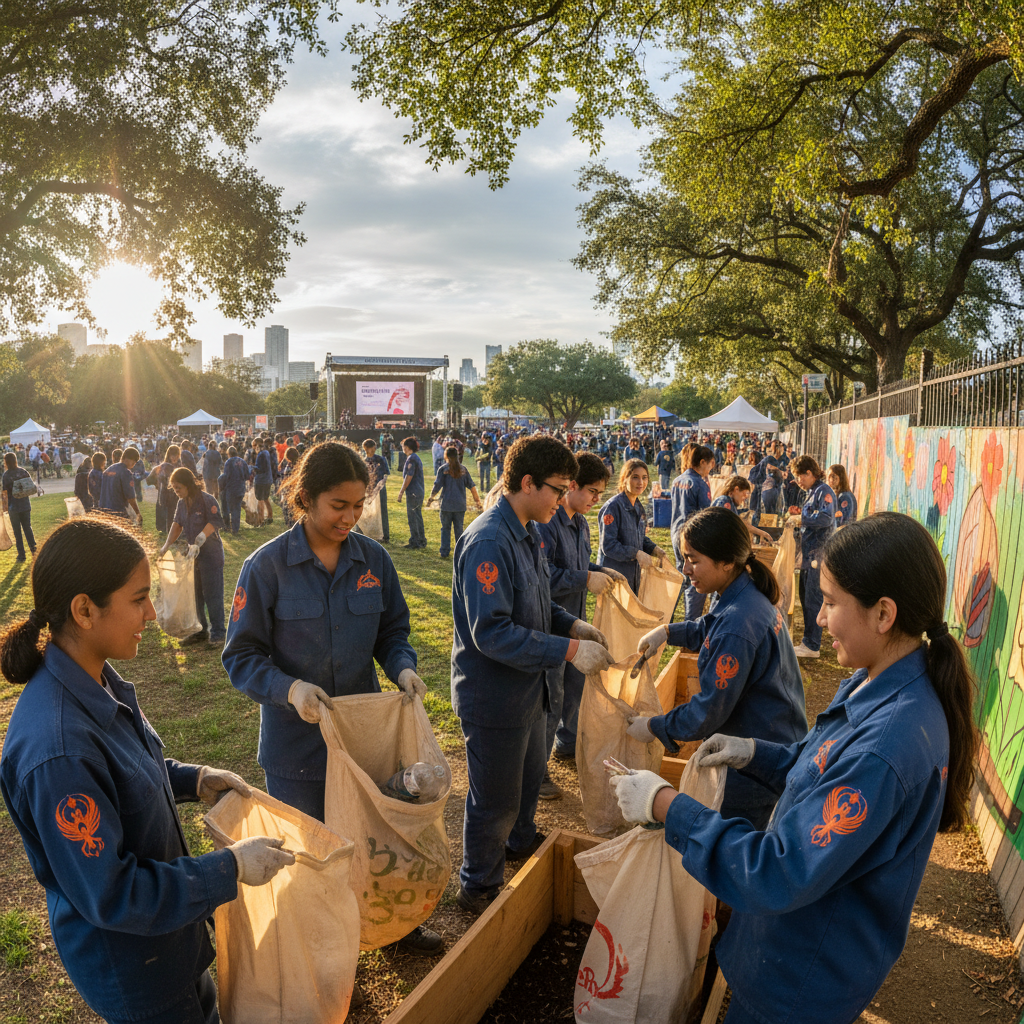
First Community Assignment
Cadets deploy to a real neighborhood event — traffic direction at a Saturday farmers market, or honor guard at a local veterans ceremony.
Real stakes, supervised closely. Cadets debrief afterward: what worked, what felt hard, what they'd do differently. Reflection is built into the structure.
Month 3
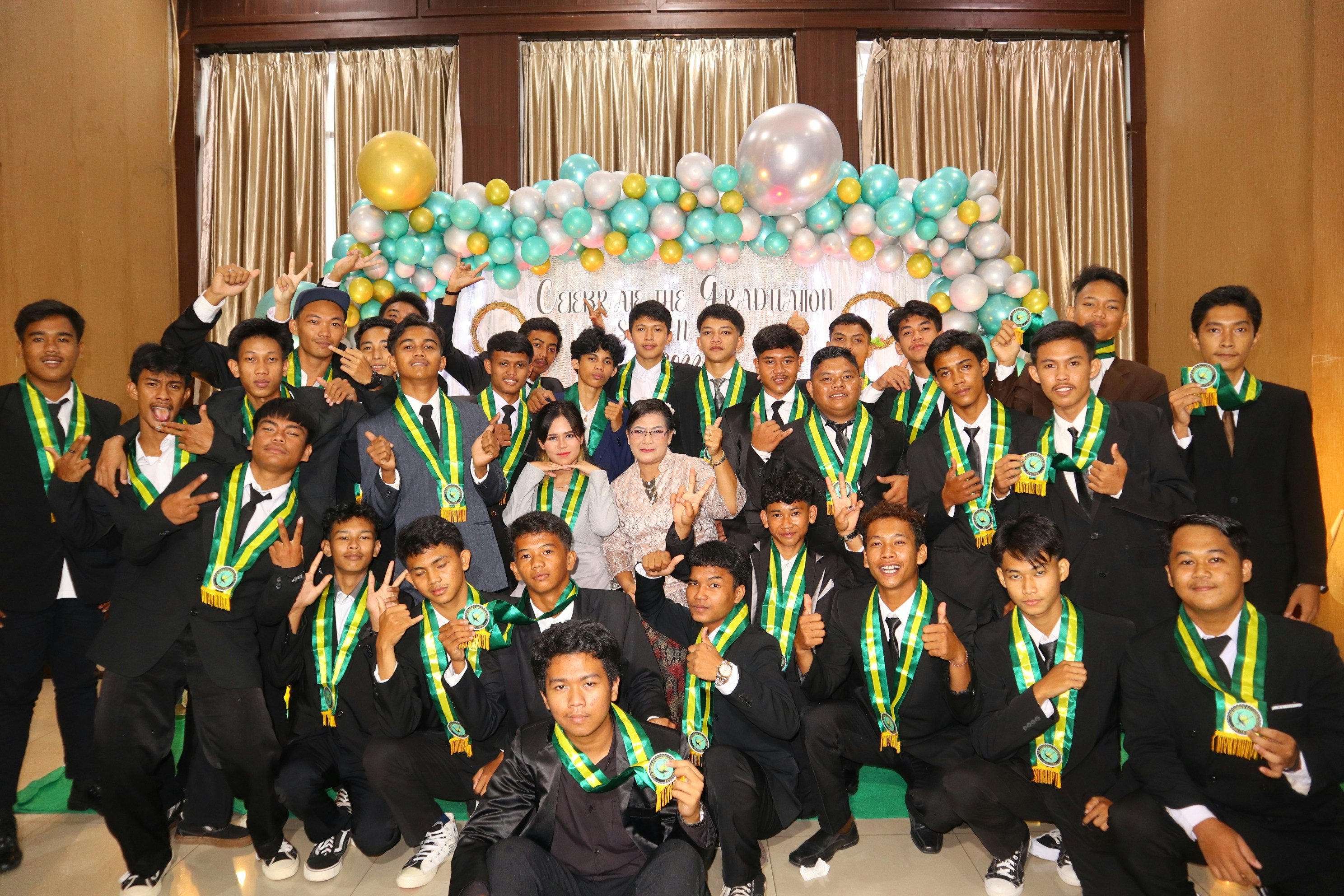
Squad Command & Graduation
Each cadet leads a squad through a community mission. Then they stand at graduation — in formation, in front of their neighborhood.
Parents, neighbors, and city officials attend. The cadet addresses the audience for two minutes. No notes. They earned the words.
Voices
In their
own words.

He used to come home and go straight to his room. After the first month, he started asking what was happening in the neighborhood. He'd never done that before.
Sandra Okafor
Parent of Cadet, Year 2
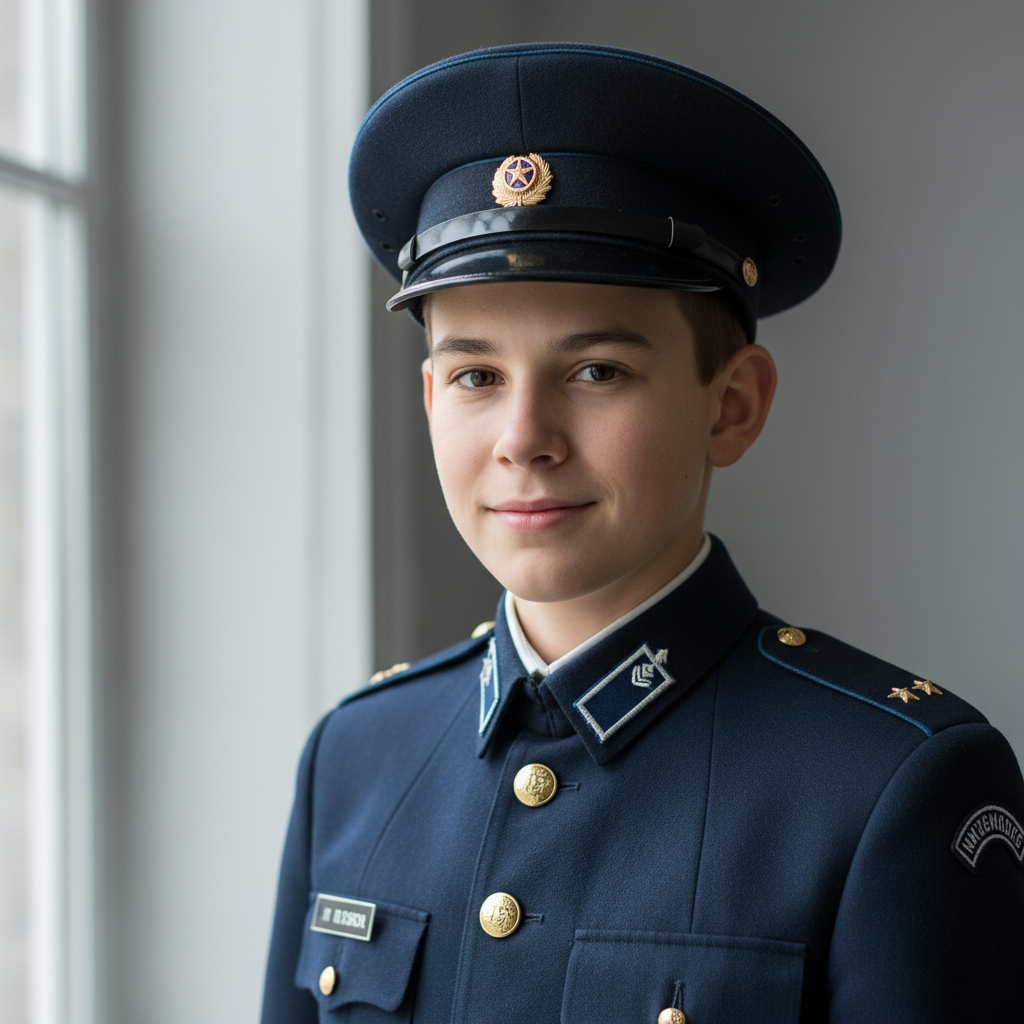
I joined because my older cousin did it. I stayed because standing honor guard at the Veterans Day ceremony was the first time I felt like I was part of something that mattered.
Marcus T.
Cadet, Age 16

We've had youth programs before. Cadets is the first one where I see the teenagers at city council meetings — not because someone made them come, but because they know what's being decided.
Councilmember Delia Vásquez
District 4, Riverside
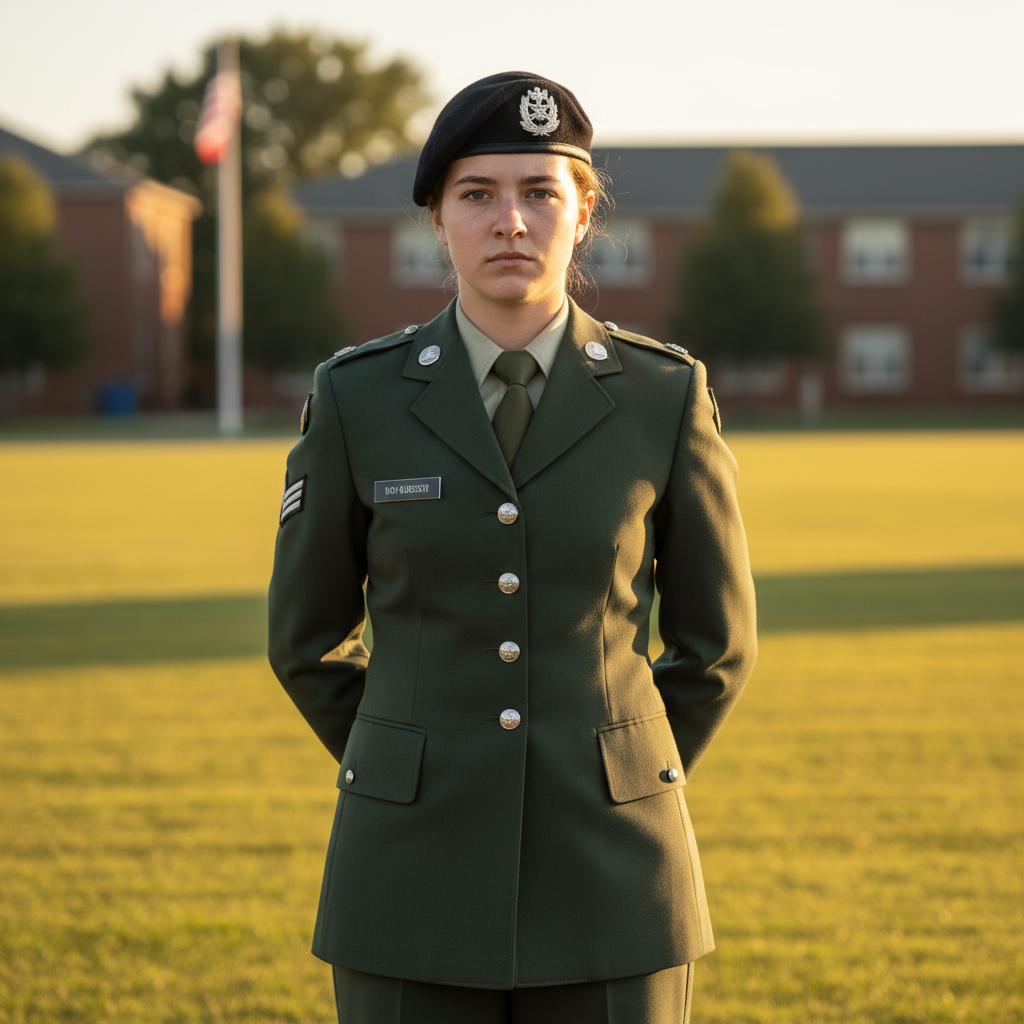
I was failing two classes when I enrolled. Nobody fixed that for me. But the discipline I built in Cadets — the habit of showing up even when you don't feel like it — I brought that to school.
Priya M.
Cadet, Age 17, Year 3

My daughter asked me to come watch her give her graduation address. She stood up there for two minutes without notes. I cried in the second row and I'm not embarrassed about it.
James Whitfield
Parent of Cadet, Year 1
Enrollment
Reserve their
place.
Spring 2026 cohort opens March 1. Enrollment is free. The only requirement is showing up.
Two evenings per week, plus one Saturday morning per month
Uniform provided at no cost — returned at graduation
All service assignments within your cadet's home district
Squads of 8–12 cadets, mixed ages, rotating leadership
Not a parent? Adults can serve too.
Volunteer as a Mentor →